A Correctly Installed Roof in Atlanta Stays Dry for Decades
The Measurable Difference a Full Installation Delivers
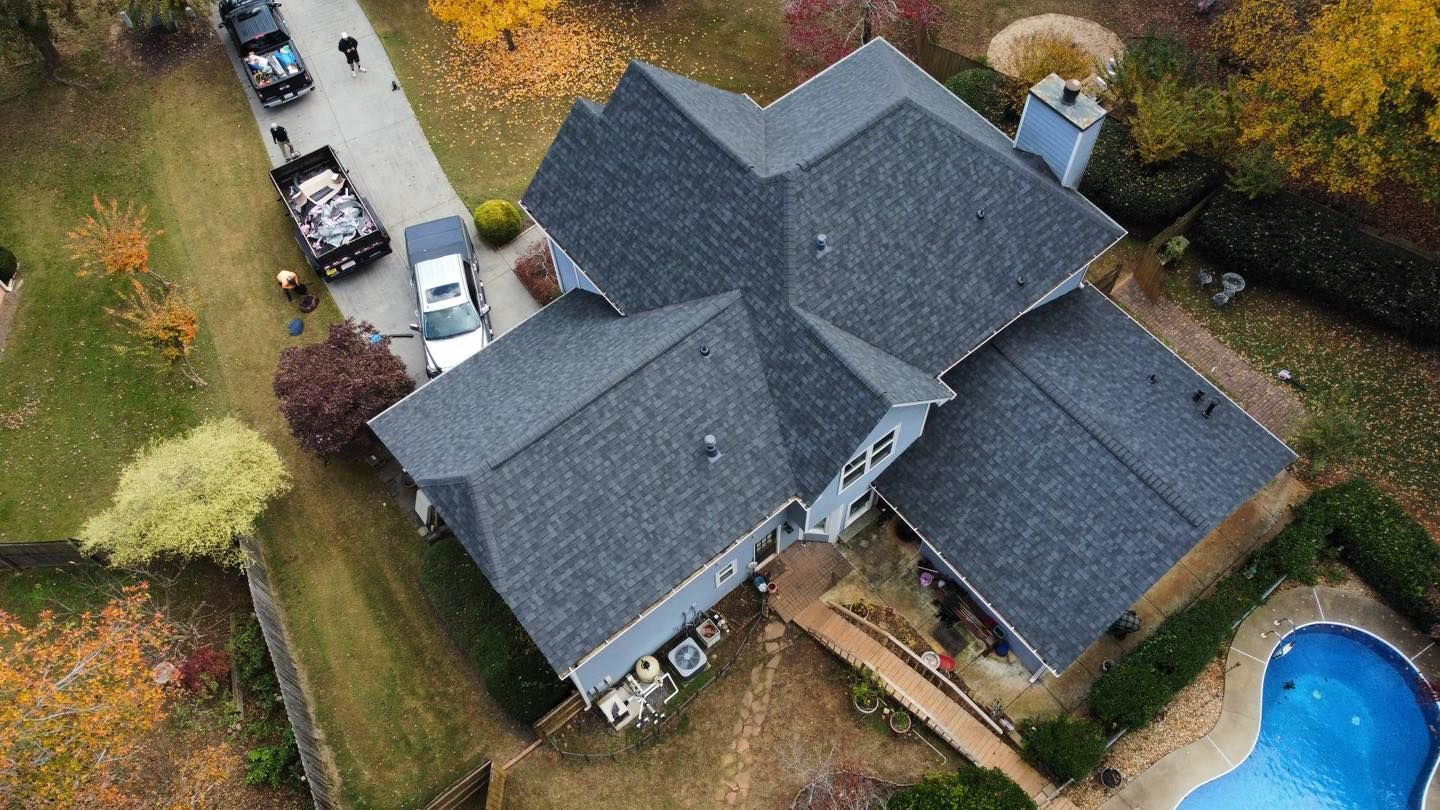
When a roof installation is completed correctly in Atlanta, the outcome is a system that sheds water without channeling it into wall assemblies, maintains its surface integrity through years of intense UV exposure, and holds its fastener pattern against the wind uplift forces that accompany Georgia's severe thunderstorm season. Homeowners who have gone through a properly sequenced installation — deck preparation, synthetic underlayment, starter strip, field shingles, and ridge ventilation all coordinated — stop seeing ceiling stains, attic moisture, and shingle blow-offs that plagued their previous roof.
Painless Roofing and Water Restoration handles complete roof installations across Atlanta's varied neighborhoods, from the dense tree canopy zones near Decatur to the more exposed roof planes common in newer developments along GA-400. The outcome of each installation is verifiable: ridge caps lie flat with no lifted corners, valley flashing directs water cleanly to gutters without pooling, and attic moisture readings taken 30 days post-installation confirm that ventilation is working as designed. These are the checkpoints that separate a roof that performs from one that looks fine until the first major storm.
How Installation Sequencing Protects Against Atlanta's Specific Conditions
Atlanta's urban heat island effect raises roof surface temperatures significantly above ambient air during summer months, which means shingle adhesive strips must bond fully during installation — a step that requires correct nailing depth, proper overlap geometry, and deck temperatures within manufacturer-specified ranges. Skipping or rushing the underlayment stage is the single most common cause of leak callbacks in the Atlanta market, because wind-driven rain during Georgia's severe storm events finds every gap that a surface inspection misses. Every installation begins with a thorough deck assessment — soft spots, previous repair patches, and moisture-compromised sections are replaced before any new material goes down.
Ridge vent placement relative to soffit intake area determines whether attic airflow actually moves heat out or simply recirculates it. When those two components are correctly balanced, peak attic temperatures drop measurably, which extends shingle life and reduces the cooling load transferred into living spaces during Atlanta summers. Metal roofing options offer an additional pathway for heat-sensitive properties — standing seam panels with reflective finishes reject solar gain more effectively than any shingle product and carry wind resistance ratings that matter when storm cells move through the I-285 corridor.
The right installation choice depends on your roof's slope, existing deck condition, and exposure pattern — details that require an on-site evaluation, not a phone estimate. Get in touch today to discuss roof installations in Atlanta and review material options with timelines matched to your project schedule.
What a Complete Atlanta Roof Installation Includes
A properly scoped installation addresses every layer of the roofing system, not just the visible surface materials:
- Full deck inspection and targeted sheathing replacement before any new material is applied, preventing premature failure from hidden substrate damage
- Synthetic underlayment installation with overlapping seams sealed against Atlanta's wind-driven rain events, which deliver far more lateral water pressure than standard drip conditions
- Starter strip and field shingle nailing patterns calibrated to meet local wind uplift code requirements, which are more demanding than manufacturer minimums
- Valley and penetration flashing details executed in metal rather than shingle-over approaches, eliminating the most common leak origination points on Atlanta-area roofs
- Ridge ventilation balanced to soffit intake area so attic airflow removes heat buildup rather than recirculating it through inadequate exhaust capacity
Manufacturer warranties on shingles and underlayment systems are only valid when installation follows specified sequences — a fact that matters significantly if you ever need to file a claim after a severe Atlanta storm. Documenting each installation phase protects that warranty from day one. Contact us today for roof installations in Atlanta and receive a detailed scope that shows exactly what your property needs and why each component is included.